Vietnam Pays The Price At Home For Sending Workers Abroad
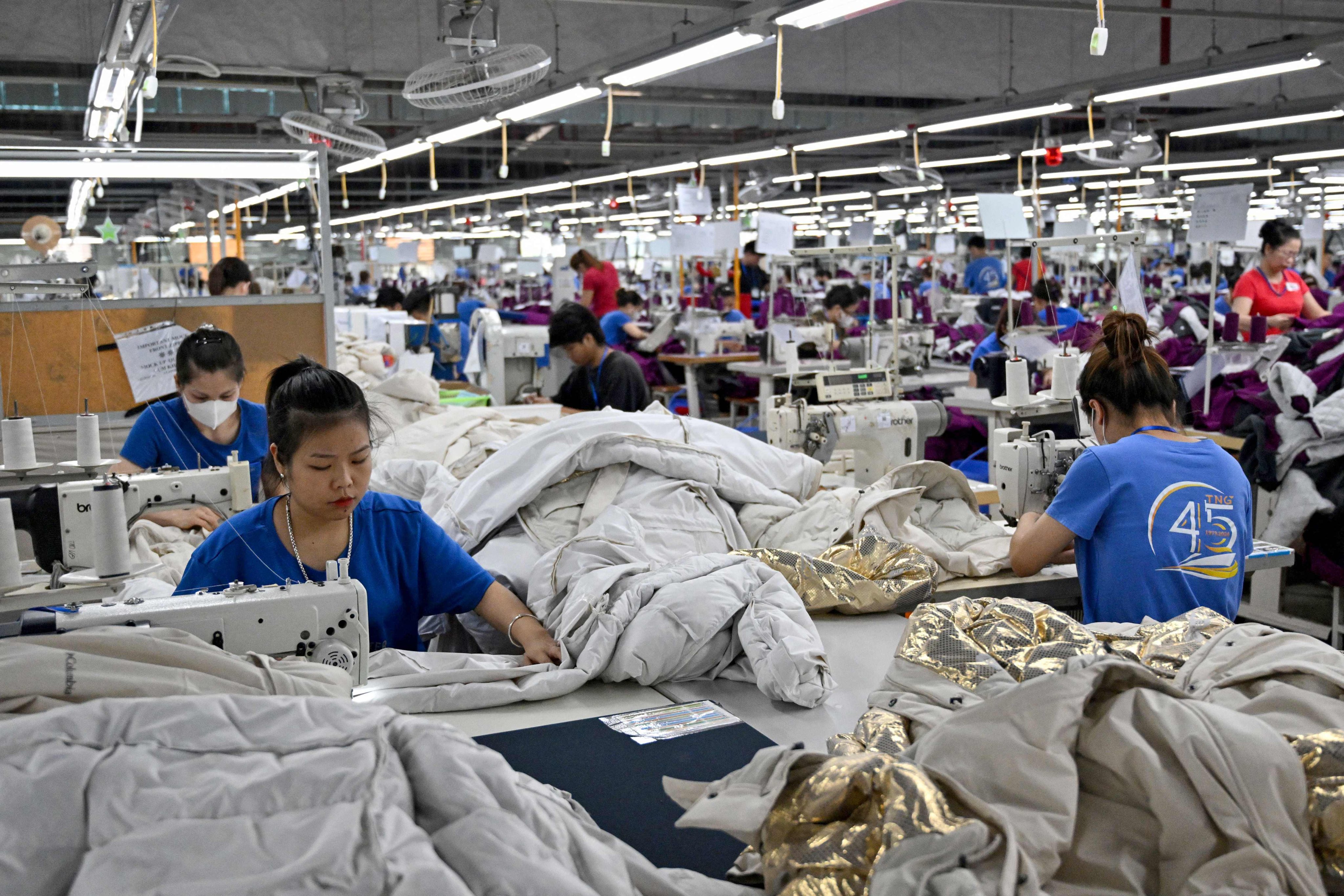
Vietnam’s seafood and garment sectors are facing a labour shortfall even with raised wages, as Hanoi expands a drive to send more workers overseas for higher-paying jobs.
The contradiction reflects a broader challenge for the Southeast Asian country as it pushes to move up the value chain while banking on labour migration to generate remittance revenue, analysts say.
According to the home ministry, between 130,000 and 150,000 Vietnamese go abroad to work annually. The overseas labour market totalled nearly 900,000 by the end of last year.
This May alone, 1,948 Vietnamese went abroad to work in places such as China, Japan, South Korea, Singapore and Europe, according to a Department of Overseas Labour report on June 3.
Vietnamese abroad remit between US$6 billion and US$7 billion a year, contributing significantly to the national economy.
This exodus has led to a labour shortage at home.
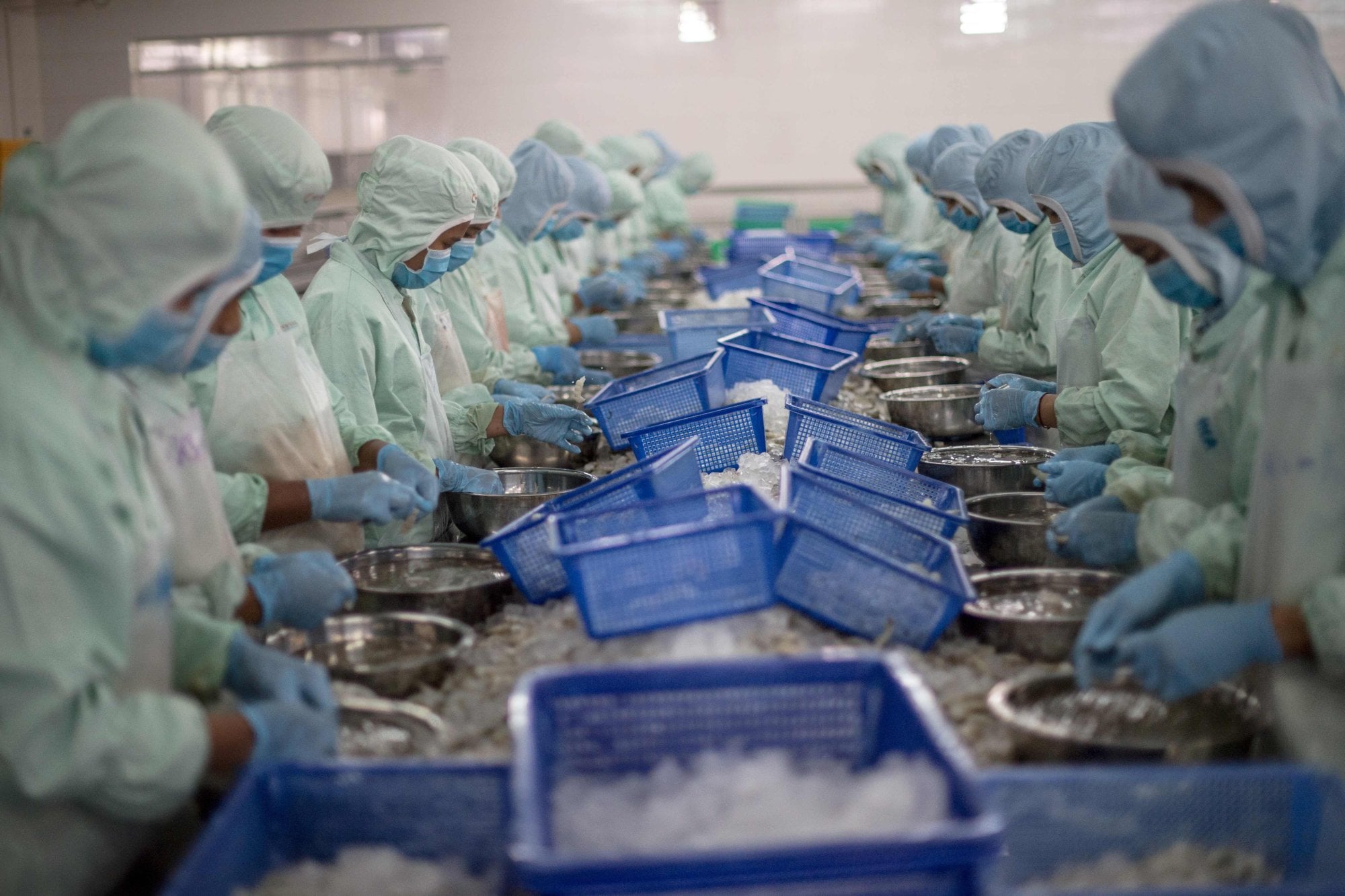
A report submitted in late June by the Vietnam Association of Seafood Exporters and Producers to the Ministry of Finance highlighted worker shortages as a major shortcoming the industry is facing in key hubs such as the Mekong Delta and Ho Chi Minh City. Even salary increases of 25 to 30 per cent did not help with recruitment and retaining labour.
Similarly, the Vietnam Textile and Apparel Association issued a report after a meeting with Deputy Prime Minister Pham Gia Tuc in May saying that competition for labour was “increasingly fierce”.
The industry was contending not just with overseas rivals but also higher-paying electronics and machinery producers, said Hoang Lan Anh, a labour migration researcher at the University of Melbourne.
Association chairman Do Ngoc Tai said in an industrial conference on July 30 that many garment factories lacked “sufficient manpower to ensure order deadlines or secure new contracts” and had to compete for workers with “electronics and many other manufacturing sectors”.

However, the picture is more complicated than factory workers simply leaving for overseas jobs.
For many people from poorer central provinces, the choice was between overseas or domestic migration, and low-paid work in industrial hubs – rather than a local job versus emigration, Anh said.
“Labour exports have been treated by the government primarily as a poverty-reduction strategy because migrant workers mainly come from the disaster-prone and resource-poor central Vietnam, where food processing and manufacturing roles offer very low wages,” she said. Salaries in the area usually range from US$200 to US$250.
Hoang said most central Vietnamese she interviewed told her they would need to migrate to earn a living, as there were no viable local opportunities. So it was more worthwhile to go overseas and earn more money than what would be offered in north or south Vietnam.
“If someone migrates from Nghe An province [in central Vietnam] to Binh Duong [a major industrial hub just north of Ho Chi Minh City] to work, their capacity to visit the family and perform care duties is not much different from that of someone in Japan or South Korea,” Anh said.
Moreover, central Vietnam migrants were “socially disadvantaged when competing for the higher-paying electronics or industrial manufacturing jobs in the north and south, where social networking was important for entry and mobility in the labour market”, she added.
Though there were plenty of vacancies in the seafood export and garment sectors, workers usually earn between US$250 and US$350 a month – barely sufficient for household expenses.
“By comparison, Vietnamese workers in destinations such as Japan and South Korea can earn three to five times more. Overseas employment offers rural migrant workers the only avenue for ensuring the family’s economic security,” Anh said.
This is a familiar calculation for Jiho Yoshimizu, the representative director of the Japan-Vietnam Tomoiki/Mutual Support Association.
The association has provided consultation and support to about 50,000 Vietnamese – from students and technical trainees to skilled workers – in Japan since it was registered as a non-profit organisation in 2014.
“Many Vietnamese workers hoped to earn and save more than they can at home, send money to family, pay their recruitment debts, build a house and support their families, or start a business when they return,” Yoshimizu said.
However, the high earnings expected do not always reflect the final savings, with deductions such as tax, social insurance, housing, utilities and other costs taking a chunk out of the worker’s salaries.
Recruitment and training debts could also leave some Vietnamese workers vulnerable to exploitation and unable to leave workplaces, even when they encountered harassment, unpaid wages, overworking or a totally different job than what had been promised.
“The main issue is not simply whether wages in Japan are higher than those in Vietnam,” Yoshimizu said. “It is whether workers receive accurate information before departure, whether recruitment costs are reasonable, and whether they can work in a safe environment where their rights are protected.”
Nguyen Thi Bich Ngoc, from the central Ha Tinh province, moved to Japan first as an international student, then found a full-time job through an online recruitment platform and obtained a work visa.
“In Vietnam, I worked as a customer support agent for an international online learning platform. Here, I work for a company that provides support services for foreign residents, helping them set up essential utility services,” Ngoc said.
She would return to Vietnam, she said, if she could find a job that would pay her a competitive salary and give her the opportunity to use her English and Japanese skills. “Being close to my family and friends is something I value very much,” Ngoc added.
Ngoc has the luxury of being able to wait for the right opportunity. Most of her fellow Vietnamese in Japan tended to be rural residents with limited formal education or recognised skills – who would likely have ended up in similarly low-skilled or manual jobs had they remained in Vietnam.
“Most migrant workers aim only to earn a fair wage and save enough money to provide for their families. They may pick up new skills along the way but there is a high chance those skills are irrelevant to their future livelihoods back home,” Anh said.
Rather than assuming overseas work would automatically provide a route into higher-skilled employment on return, Anh said the more immediate task was to protect workers’ rights abroad.
“What seems to be more realistic is to make sure that workers’ rights are protected, they receive the same wages and benefits offered to local workers doing the same jobs, and intermediaries’ involvement, exploitation, and abuse are done away with,” she said.
Nguyen Van Duan, an automotive technician from the central Quang Nam province, said he went to Japan after learning of the opportunity through a recruitment agency. The higher salary was a draw, but so was the chance to learn technical skills, improve his Japanese and work in a more disciplined professional environment.
Like Ngoc, if he could earn a stable income back home, save money and continue his career growth, he would have seriously considered staying.
Duan hopes to use his experience and knowledge gained in Japan to build a career in Vietnam’s automotive repair industry upon his return.
“A workplace that offers opportunities to learn, fair treatment, job stability, and a clear career path is just as important,” he said.
Popular Products
-
 Classic Oversized Teddy Bear
$23.78 -
 Gem's Ballet Natural Garnet Gemstone ...
$171.56$85.78 -
 Butt Lifting Body Shaper Shorts
$95.56$47.78 -
 Slimming Waist Trainer & Thigh Trimmer
$67.56$33.78 -
 Realistic Fake Poop Prank Toys
$99.56$49.78